Introduction
In the world of civil engineering, resilience is often measured in terms of structural integrity—how well a building can withstand the forces of nature. But resilience is also about the stories we tell, the memories we preserve, and the cultural fabric that holds a community together. This page explores how seismic retrofitting can do more than just strengthen buildings; it can also honor and elevate the narratives of the people who call those buildings home.
The Language of Concrete and Color
Concrete is my medium, but it’s not just about compression and tension. It’s about the layers of history embedded in every structure. When we retrofit a building, we’re not just reinforcing its walls; we’re reinforcing the stories those walls have witnessed. In Escondido, where the earth shakes and the community thrives, this duality is especially poignant.
Art, particularly murals, serves as a visual language that communicates the identity of a neighborhood. By integrating these artistic expressions into the structural design of retrofitted buildings, we create a dialogue between the past and the future. The murals become part of the building’s resilience, a testament to the community’s strength and creativity.
Case Study: The Escondido Community Center
One of my most rewarding projects was the seismic retrofitting of the Escondido Community Center. The original structure, built in the 1970s, was a hub for local gatherings, but it was vulnerable to seismic activity. Our challenge was to reinforce the building while preserving its role as a cultural landmark.
We collaborated with local artists to incorporate murals depicting the history of Escondido into the retrofitting design. These murals were not just decorative; they were integral to the structural reinforcement. For example, we used the imagery of the murals to guide the placement of seismic dampers, turning functional elements into artistic features.
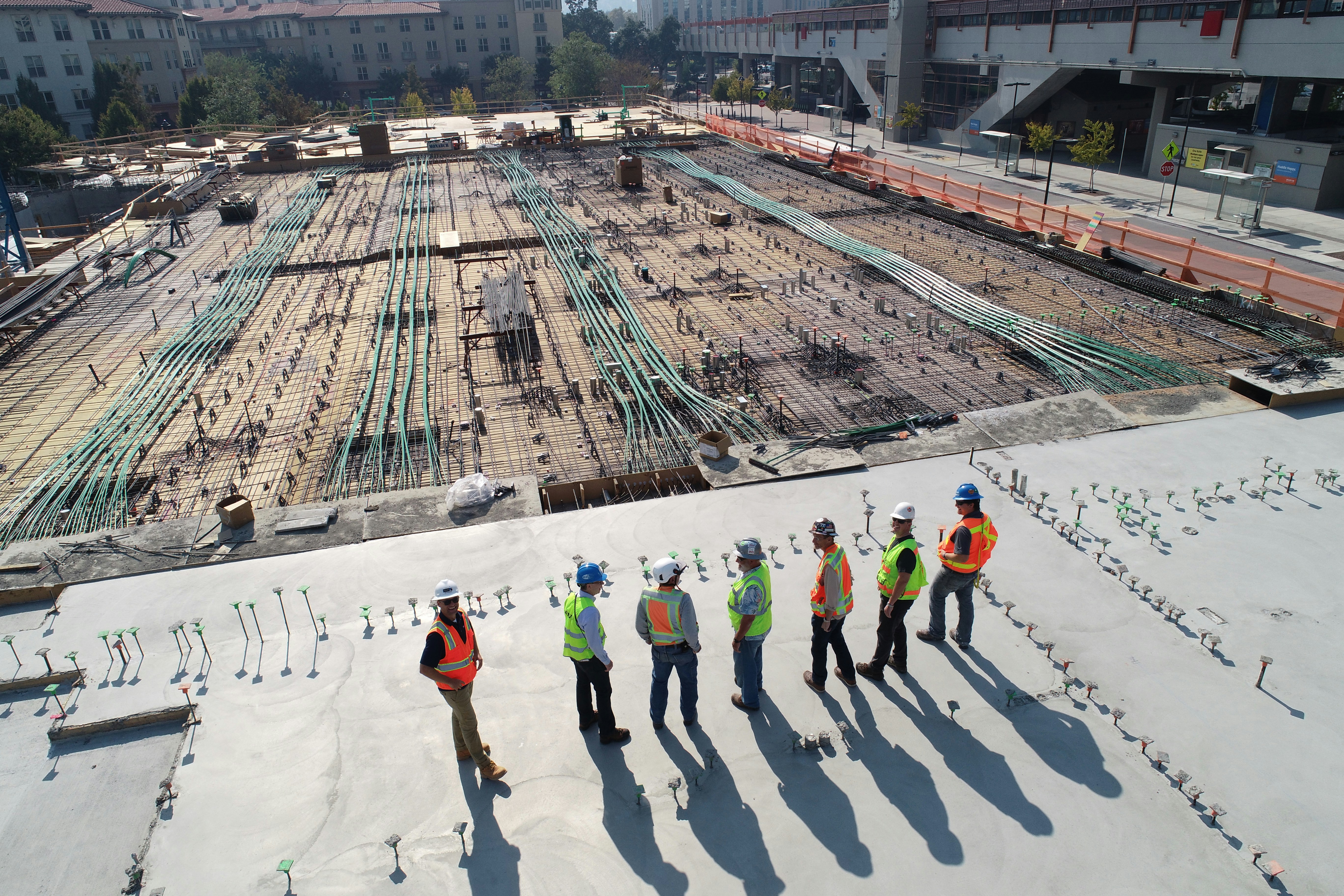
The result was a building that not only met the highest standards of seismic safety but also told the story of its community. The murals served as a visual narrative, connecting the past with the present and ensuring that the building’s cultural significance was preserved.
The Technical Side: Seismic Retrofitting
Seismic retrofitting involves a range of techniques designed to improve a building’s resistance to earthquakes. Some of the key methods we used in the Escondido Community Center project included:
- Base Isolation: This technique involves placing flexible pads or bearings between the building and its foundation. These isolators absorb the seismic energy, reducing the forces transmitted to the structure.
- Shear Walls: These are vertical elements designed to resist lateral forces. In our project, we integrated shear walls into the design in a way that complemented the murals, making them both functional and aesthetically pleasing.
- Seismic Dampers: These devices dissipate the energy of an earthquake, reducing the stress on the building. We placed them strategically, using the murals as a guide to ensure they were both effective and visually integrated.
Why This Matters
Buildings are more than just structures; they are repositories of memory and identity. When we retrofit a building, we have an opportunity to reinforce not just its physical integrity but also its cultural significance. By weaving community stories into the fabric of our infrastructure, we create spaces that are resilient in every sense of the word.
This approach also fosters a sense of ownership and pride within the community. When residents see their stories reflected in the buildings around them, they are more likely to engage with and care for those spaces. It’s a reminder that resilience is a collective effort, rooted in both engineering and empathy.
Looking Ahead
As we continue to face the challenges of climate change and urbanization, the need for resilient infrastructure will only grow. But resilience isn’t just about surviving disasters; it’s about thriving as a community. By integrating art and storytelling into our engineering practices, we can build structures that are not only safe but also meaningful.
I invite my fellow engineers to think beyond the technical specifications and consider the cultural narratives that shape our built environment. Together, we can create infrastructure that tells the stories of the people it serves.